Imagine a situation where you are going on a safari; you ask your driver to stop because you would like to listen to the sound of the jungle, watch some birds, and observe animals. All of a sudden, a tiger came out of the bushes; there was very little distance between the vehicles. Everyone was so surprised and didn’t know what to do next. Tiger is so close that any sound or action may provoke him…
Another scenario: in a national park, you encounter a herd of elephants that are coming towards your vehicle, and your driver tries to take the vehicle backward, but how far and how dangerous are these animals to the vehicle?
In the next situation, you are on a walking safari in the Himalayas for bird watching; you are enjoying every moment of your safari, and then suddenly a black bear is spotted on the tracking road. What to do next: running, shouting, or standing motionless?
These are the questions that often arise when planning our safaris; however, such situations are very rare, and in most cases, your driver and guide know how to handle them, although there are times when they may not know how to react. In all the above scenarios, distance matters; in every dangerous situation, distance allows you enough time to make decisions and take action.
Distance is safety for both the animals and us. Here in this blog, we will discuss the safe distance we have to keep from the potentially dangerous species.
Why Distance Matters
Wild animals have “flight distance” or “critical distance.” This means their brain perceives distance as a measure of safety; if it is more, then they escape from the place, but if it is less than their safe limit, there is a possibility that they might attack. It is their stress response that triggers the escape or attack.
Animals with poor eyesight perceive everything that they are not familiar with as a threat. Human intrusion into their territory may provoke defensive aggression or disrupt feeding or breeding or lead to habituation, which means human imprinting. For a wild animal, human imprinting is not beneficial and would be dangerous in the long term.
General Rule of Thumb (Quick Guide):
There are general guidelines to judge the safe distance as follows:
- If the animal changes behavior, you’re too close. This is true in most cases. When you are too close, you feel that the animal is feeling scared or is changing its behavior. You can check this with the birds. If you see a flock of birds, then try to go close to them; you see they start feeling uneasy and then get ready to fly. This is the same with the animals, and this uneasiness you can also notice in their behavior.
- Use the “binocular rule”: if you don’t need binoculars, you’re too close. Yes, if you can see the animals clearly, they can usually see you too. If you need binoculars, which means the animals also can’t see you.
- Going too close for selfies or for feeding makes the animal uncomfortable and insecure, which will affect their behavior and lead to aggression.
Species-wise Safe Distance Guidelines
Big Cats (Tiger, Leopard, Lion)
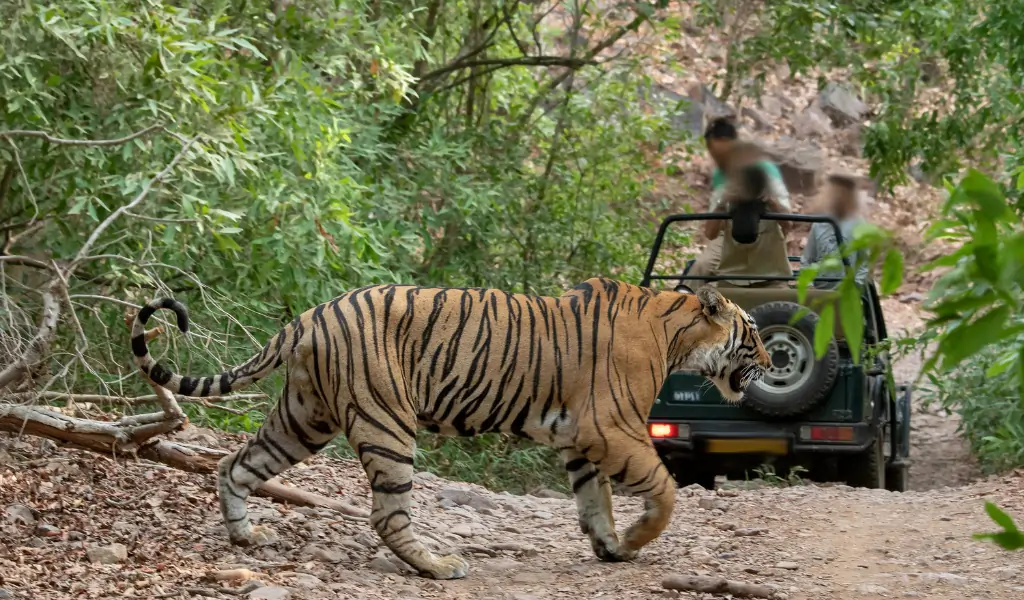
Big cats are dangerous to human life and can cause lethal injury or death. These big cats include tiger, tigers,leopard, tigers,leopards,and lion. leopards,lions. Nowadays, many videos are getting viral on social media in which people go very close to the tiger crossing the road and take pictures with their mobiles. These people don’t understand the power and speed of tigers or any other big cat. They are very fast and powerful.
One blow from their paw can lead to death. Suggested disillusions. The suggested distance from big cats is at least 50–100 meters. It’s always safe to keep that distance; at this distance, they see you clearly, and because humans are not their natural prey, they try to avoid you. Even if you’re on foot and you see a tiger or lion, go backward without turning your back to them, and when you think it’s a safe distance, try to run away or climb a tree and wait for the tiger to go away.
In case of the suggested case of big cats, never block escape routes, avoid the case, or make eye contact, or make contact or sudden movement. contact or movements.
Elephants
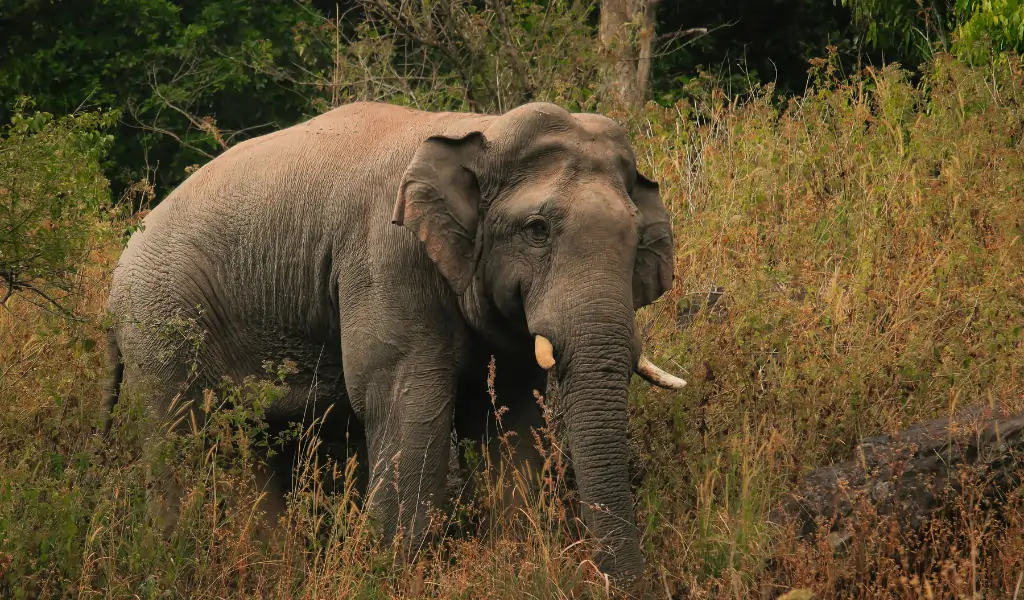
Elephants are big animals and can run very fast, easily outrunning a human athlete. Elephants are dangerous, especially the solitary bull elephant. If they are in musth, they are very aggressive and often attack humans without any provocation.
The best way to stay safe is to identify the musth elephant by the secretion of musth by temporal glands on the side of its movements. the side of the forehead of the elephants. The minimum distance required is more than 200 meters for the elephants because they can distance side coverages very fast. can cover fast.
Bears
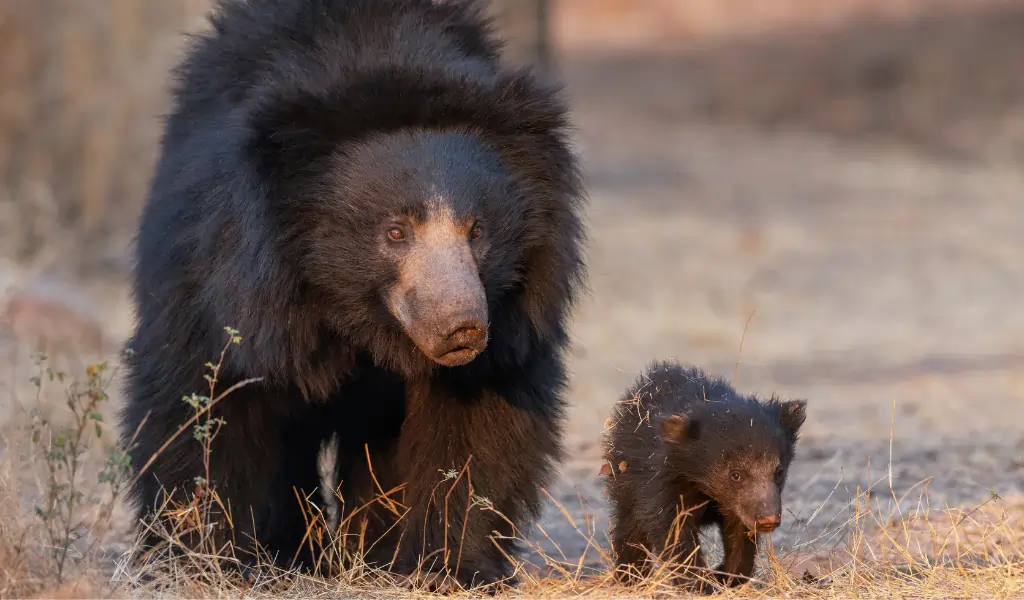
There are four types of bears found in India, in which sloth bears are the most widespread and most dangerous. They are dangerous because they have poor eyesight and also because they are very protective of their cubs. Mostly females are very aggressive when they are with their cubs.
They carry their young ones on their backs, eyesight, and backs, and if threatened, they don’t hesitate to charge. They also can run very fast, hesitate fast, and at least 100 meters is a safe distance from the bears. Sudden encounters with a bear in the jungle are always very dangerous, as they attack to protect themselves.
Rhinos
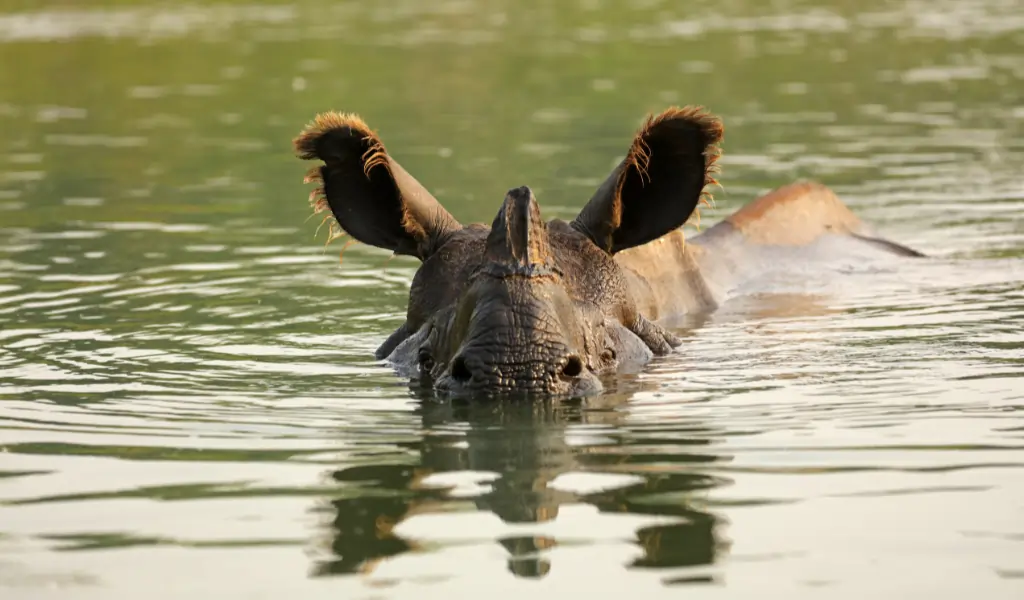
They are powerful but also peaceful animals. There are very rare cases of attacks by rhinos. They have poor eyesight, which makes them think of humans as a threat to them. They have good eyesight. They run very fast. They are fast, and they don’t attack with their horns, but they bite fast, which is very powerful and can kill a human. Safe distance is at least 100 meters.
Ungulates (Deer & Gaur)
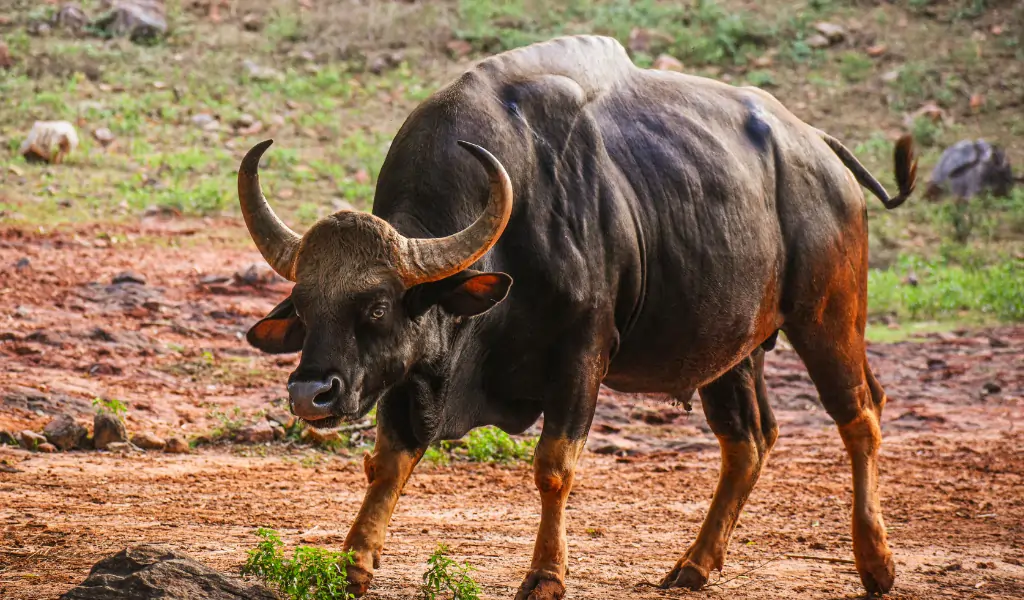
Though they look safe, they look like animals; they look safe, but sometimes they can charge and cause a fatal injury. It is always advised to stay safe with a minimum of 30-50 meters’ distance from them.
Snakes
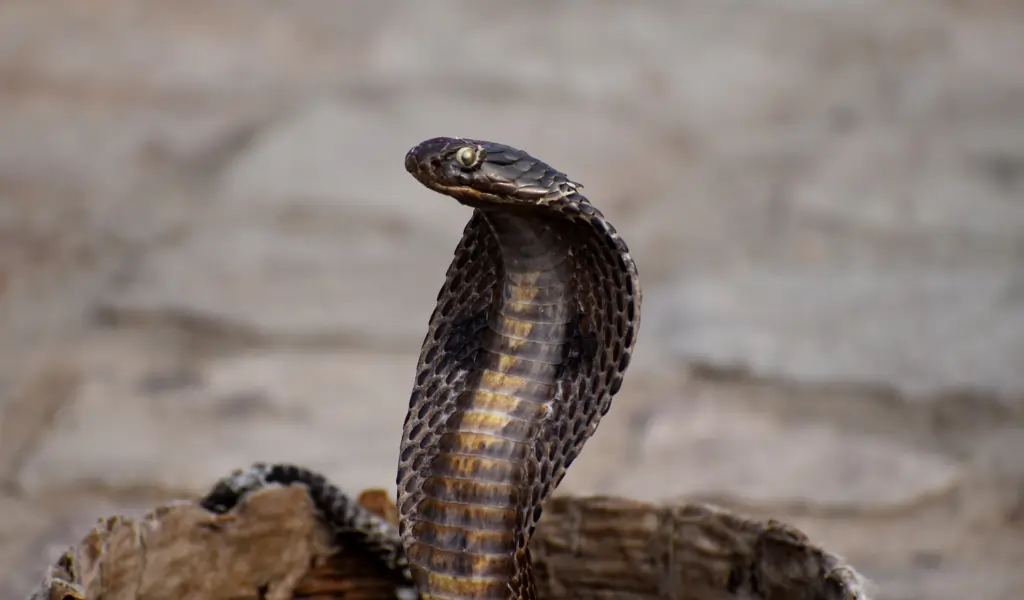
If you are not an expert on snakes, then it is advised that you avoid them. advised that you stay away from them. Many species of non-venomous snakes resemble venomous snakes. Keep a safe distance of at least 2–3 meters from them.
Signs You Are Too Close
- The animal stops feeding or moving
- Direct staring or mock charges
- Vocal warnings (growls, trumpeting, hissing)
- Change in posture (raised fur, ears back)
Conclusion
Always remember that “the best wildlife encounter is one where both you and the animal remain safe.” Yes, if you are in a jungle, then the safety of you and the wild animals both are matters. Often animals are blamed for any such cases in which a person died of an animal attack that happened because of the irresponsible behavior of the person. So it is always best to stay safe. The above discussion has shown that it is possible to be safe by keeping a safe distance from the animals that can cause damage.
Respecting distance is respecting wildness.
Also read our blog Top 5 Best Tiger Safari Tour Operators in India.





0 Comments