The Faces Behind the Forest
You arrived at Kanha Tiger Reserve for your first-ever visit to a wildlife destination, and you are super excited. You discussed your plan with the resident naturalist of the lodge where you are staying. He described safaris to you and how they operate. You are surprised to know that, besides your naturalist, who is going to drive the safari vehicle, you also have a guide, whom you think is useless. Why have a guide when you have a naturalist? But you don’t ask this question of your naturalist and leave everything for your first safari experience.
Morning, you left for the safari with your naturalist, and once you reached the gate, you met a young gentleman who looked like someone from the local community and was wearing a uniform. Who is he? This comes to your mind. He introduces himself in a very polite way. He is your safari guide. You felt that he was not very good at English conversation, but still, you could understand what he said.
It seems the naturalist and guide both have a very good bonding, and they are planning a strategy together for your safari experience. He is very good at finding animals and birds, familiar with most of the bird calls. Now you start understanding their role and why guides are important for the safaris.
If the guides are the ambassadors of the forests, then Varakshaks are the foot soldiers of the forests. They are the unseen protectors of the forest.
Varakshak, as the name signifies, is the protector of the forest; they are the foot soldiers who work 24×7 tirelessly for the conservation of wildlife and forest. In this blog, we will discuss the role of both in detail.
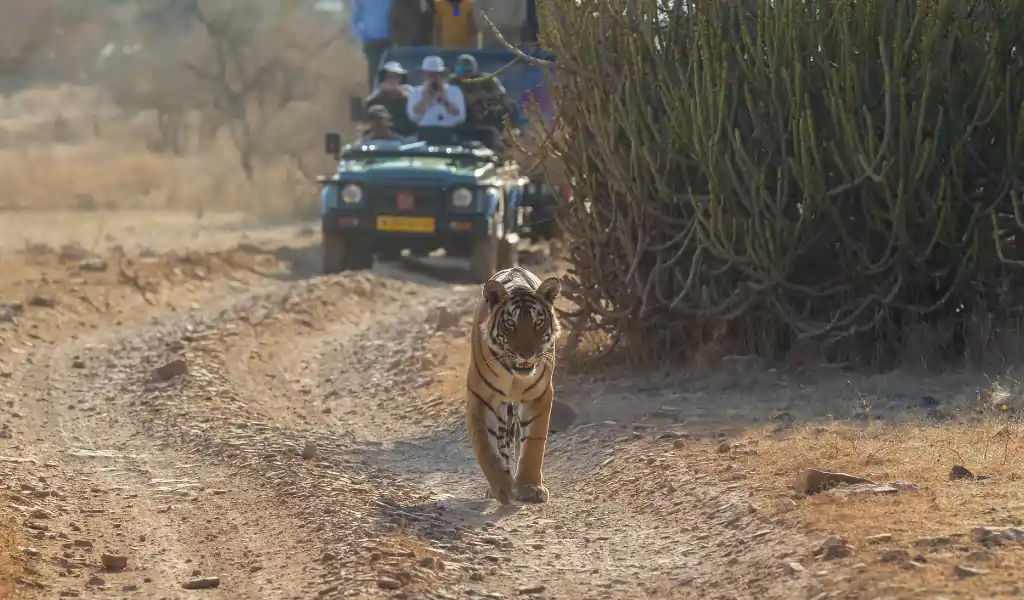
Who Are Nature Guides and Vanrakshaks?
- Nature Guides: Nature guides are the local youth selected and trained by the forest department and local tourism bodies like the lodges and naturalists. They are trained to provide information, use their experience to spot animals and birds, and enhance the safari experience for visitors. They are the ambassadors of protected areas and their wildlife. A good guide can make your safari more enjoyable and educational. Guides also keep an eye on tourists’ activities and enforce the park rules effectively.
The nature guides are local youth who are born and brought up in or in the vicinity of the national parks. A long time back, when the tiger reserves or national parks were created, the villages were displaced and settled outside. For their commitment to getting positive support for wildlife conservation in the national park, the authorities have decided to create job opportunities for these people and have selected at least one person from each house who showed interest.
They provided training, and then they all got jobs as nature guides. Nowadays, though, the job is purely for the local people, but because many young people are looking for this job, the forest department has a mandatory educational qualification, followed by an interview. This created a more educated, aware, and smart batch of nature guides who not only spot the animals and birds but also interpret nature effectively. These second and third-generation guides are well-versed in social media and are able to make a lifelong connection with their clients.
- Vanrakshaks: Vanrakshak or forest guards are permanent employees of the forest department and are responsible for the management and conservation of wildlife in their respective beats (a beat is the smallest unit of administration in the forest). Like nature guides, they are also employed by the forest department during the translocation of the villages from national parks or tiger reserves. They selected the educated youths from the villages after a formal interview, and they were sent for training as forest or beat guards. Nowadays, the educational qualification for them is 10+2 with science. They have to appear in a state-level test to qualify, after which the shortlisted candidates are interviewed, and the final selection is based on the results of the interview.
After 18 month training at the respective state forest academy, these guides are posted in different forests based on their preferences.
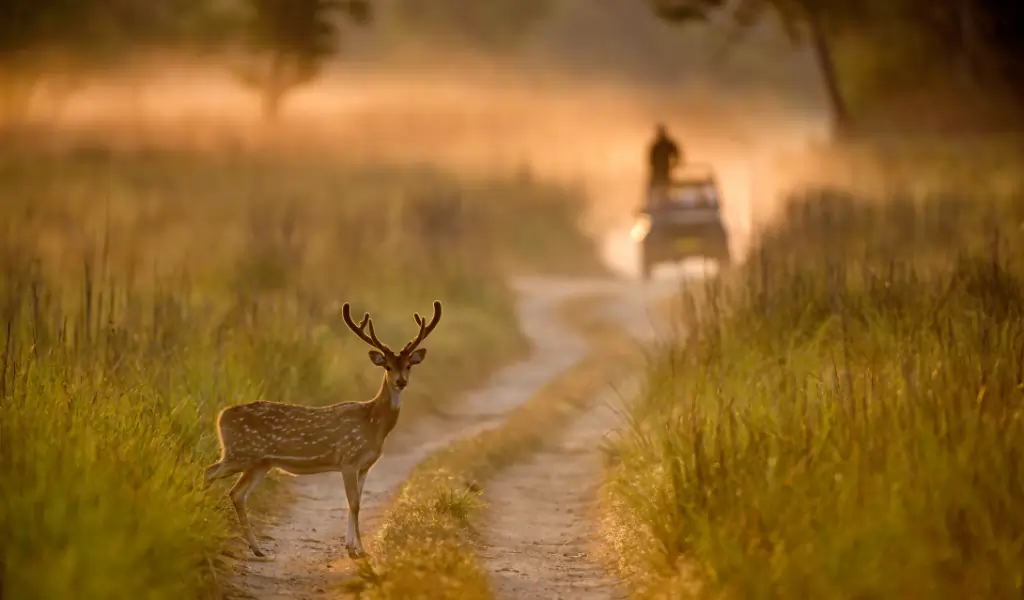
A Day in Their Lives
- Nature Guides: Their day starts early in the morning, they have to wake up early and get ready to reach the tourist booking counter, where they have to enter their name to make sure that they will get the duty. If they get the duty, which totally depends on the number of tourist vehicles that go inside, they go inside. Otherwise, they have to go back home and then wait for their turn in the afternoon safari. In most parks and tiger reserves, guide duty is on a rotational basis to ensure everyone gets a fair chance to earn.
When they go inside, they first introduce themselves to the tourists and then begin the jungle interpretation. They have to be very active and attentive because any wildlife activity or call missed will miss the chance to spot something interesting. After the safari, they go back home, and if there is any chance to get the duty again in the afternoon, they come back to the booking counter; otherwise, they wait for another day to get the duty.
- Vanrakshak: Their day also started early, and after getting ready with all the necessary field gear and equipment, they go for the patrol in their respective beat with the forest watcher (a non-permanent job for the local villagers) where they look for any suspicious activity like tree cutting, illegal entry to collect minor forest product or traps set to catch or kill the animals. Sometimes they come across potentially dangerous wild animals.
- This is the time when their field experience of handling the dangerous situation works well. In a disturbed area, they often confront the poachers or those who enter the national park illegally to cut trees or collect firewood. Sometimes this confrontation is more serious, and they have to call senior officials or the police. They not only patrol the area but also look for management interventions like water requirements, building roads, fire line burning, road and bridge repair, grassland management, etc.

Guardians of Wildlife and Habitat
Both of them serve as guardians of wildlife and their habitats. While a nature guide’s accurate interpretation of wildlife conservation and management helps raise awareness and garner support from urban residents, forest guards act as the frontline workers of the jungle, ensuring wildlife and their habitats are protected and properly managed. Any management policies decided at the higher levels, such as the office of park directors, are implemented by the forest guards in the field.
They also report to the range officer, who uses this information to shape policies. They prevent poaching and illegal activities and also monitor animal movement and population.
The nature guides are a bridge between wildlife and visitors. They are the link between conservation and responsible tourism. They educate tourists about the role of wildlife, their behavior, and park rules. They are the ones who ensure the ethical wildlife viewing, like how much distance to keep, and the silence. They shape the meaningful safari experience beyond sightings.
Challenges They Face
Both of them, especially the forest guards, face various challenges in the field, of which the foremost is the long and tiring duty hours, as well as the self-security from not only the animals but also from the poachers and forest encroachers. The duty involves physical risk and unpredictable conditions.
The guides, on the other hand, have to face new tourists every day with new demands. Some tourists don’t understand that wildlife is unpredictable and will appear only of their own will.

How Responsible Tourism Supports Them
If you choose ethical and responsible tour operator, then you are creating less footprint and support the communities. The lodges this tour operators choose supports local employment and conservation led tourism. Your money in this way goes for the conservation of wildlife.
Saluting the Silent Protectors
The guides and forest guards are the great support to the conservation of wildlife, and we should acknowledge their dedication and sacrifices they made for the better future of us and our planet. These guides and forest guards brave all the challenges they face and work dedicatedly for the conservation of wildlife. If the forest guard don’t protect the jungle and wildlife and guides does not interpret rightly then people don’t come to the forest and it’s a big loss to the region, to the nation, to the planet and above to humanity.
If you like our blog, also give a read to Roles, Functions & Duties of the Forest Department in India




0 Comments