As dawn breaks across the floodplains of the Brahmaputra, a golden mist rolls over the grasslands of Pobitora. Dew glistens on wild reeds, and the first rays of sunlight reveal the unmistakable outline of a rhino grazing peacefully by the water. This is Pobitora Wildlife Sanctuary, one of Assam’s most enchanting wilderness areas, and a hidden gem that awakens each winter with new vitality. Known as the “Mini Kaziranga,” Pobitora proves that even a small corner of nature can tell a grand story of life, resilience, and coexistence.
Only about 48 kilometers from Guwahati, Pobitora lies in the Morigaon district of central Assam. The sanctuary covers 38.81 square kilometers and is tucked between the mighty Brahmaputra River to the north and a ring of small hills to the south. The journey to Pobitora is as scenic as the destination itself. The drive passes through the legendary village of Mayong, often called the “Land of Magic,” where folklore and ancient traditions blend seamlessly with the region’s natural beauty.
A Wildlife Sanctuary Born from Tradition
The story of Pobitora begins not in official records but in local memory. Long before it received government recognition, this area was protected by villagers who valued its marshes and wildlife. The sanctuary’s name carries a human touch — it is said to be named after Pobitora, the beloved daughter of the King of Mayong, who died young. This legend, intertwined with the natural richness of the landscape, gives the sanctuary a rare blend of spiritual and ecological significance.
Pobitora was first declared a reserved forest in 1971. Its growing importance as a habitat for endangered species led to its elevation as a full-fledged wildlife sanctuary in 1987. Later, under India’s celebrated conservation initiative Indian Rhino Vision 2020, Pobitora played a key role as a rhino source population for restocking other protected areas like Manas National Park.
The Land of the One-Horned Rhino
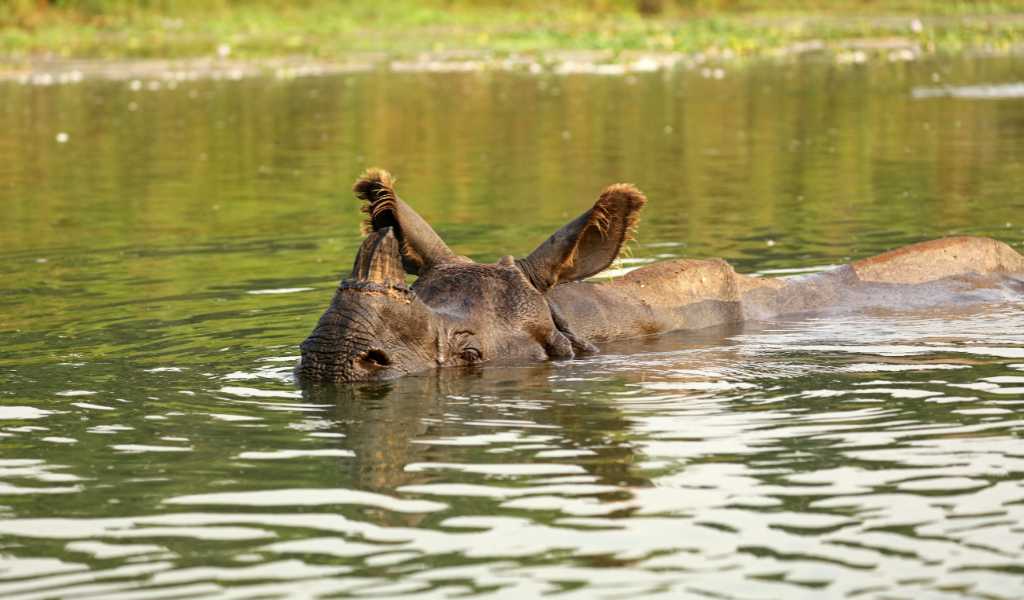
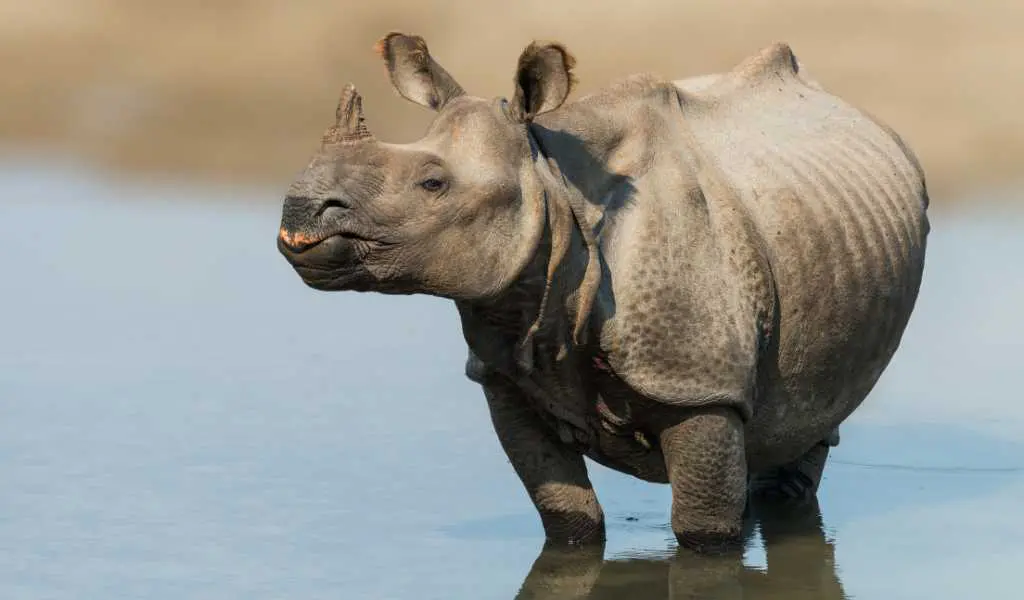
Pobitora is globally recognized for having the highest density of Indian one-horned rhinoceros. More than one hundred rhinos live in the small core area of only sixteen square kilometers. Nowhere else on Earth does this magnificent species thrive in such concentrated harmony with its habitat. Each year, conservation teams conduct detailed population assessments, and the numbers have steadily risen which is a testament to careful management and the participation of local communities in the conservation of wildlife.
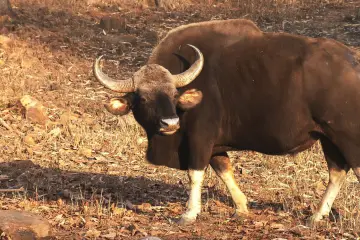
Yet Pobitora is not only about rhinos. It is also home to Asiatic buffaloes, leopards, wild boars, barking deer, and rhesus macaques. The sanctuary’s diverse landscape of floodplains, grasslands, and wooded patches offers perfect shelter for varied species. Pobitora also supports twenty-two species of mammals, twenty-seven reptiles, nine amphibians, and over eighty butterfly species, making it one of Northeast India’s densest pockets of biodiversity.
A Living Paradise for Birds
For bird enthusiasts, Pobitora is an avian dreamscape. More than 200 migratory and resident bird species flock here each year, turning its wetlands into a symphony of wings and calls. From the elegant bar-headed geese and open-billed storks to the dazzling kingfishers and serpent eagles, the sanctuary brims with birdlife throughout the winter.
Assam’s tourism authorities have identified Pobitora as an Important Bird Area, and its beels (wetlands) are among the few habitats in the region where such species still thrive abundantly. During the migratory season, visitors can spot flocks of gadwalls, herons, and pintail ducks gliding across the water, their reflections rippling over the mirrored surface.
The Sanctuary Reopens in Renewed Splendor

As reported in October 2025, Pobitora reopened to visitors after its annual monsoon closure. Park authorities announced that extensive repair and renovation work had been carried out to improve visitor experience. Safari routes, bridges, and watchtowers were upgraded, ensuring smoother access to key wildlife-viewing zones. Ranger Pranjal Baruah noted that the sanctuary is ready to welcome local and international tourists again, offering enhanced jeep and elephant safaris.
This reopening marks another successful cycle of restoration after monsoon floods — a natural event that rejuvenates the land but often damages infrastructure. The sanctuary’s comeback this season represents not only physical repair but also the enduring resilience of Assam’s ecosystems.
Safari Experiences and Ecotourism
Visitors can explore Pobitora through both jeep and elephant safaris, which operate in the early morning and late afternoon. The elephant safari, often departing around sunrise, allows a peaceful, close-up encounter with wild rhinos as they graze in the mist. Jeep safaris cover a longer stretch, weaving through the grasslands, wetlands, and forest margins. Both experiences offer frequent sightings of buffaloes, deer, and multitudes of birds moving along the water edges.
For those seeking deeper immersion, nearby eco-lodges and homestays provide stays surrounded by the serene countryside. Nights here are filled with the sounds of the wild — cicadas humming, frogs calling, and distant splashes from the beel. Many camps arrange traditional Assamese meals and folk music performances under starlit skies, blending tourism with a touch of culture.

The Magic of Mayong and Other Attractions
A visit to Pobitora becomes even more memorable when paired with a short detour to Mayong, the ancient village steeped in mysticism. Once famed for its practitioners of folk healing and ancient charms, Mayong retains a fascinating cultural essence. Tourists can visit the Mayong Central Museum, which houses manuscripts and relics on traditional healing and magic. The nearby Garanga Beel, a scenic wetland surrounded by reeds, is perfect for birdwatching and boating.
On the way to the sanctuary, the Haduk Hanging Bridge offers stunning views of the riverine forest and floodplains. For a more extended trip, visitors can combine Pobitora with excursions to Kaziranga National Park, Orang National Park, or the hill station of Shillong in neighboring Meghalaya.
Flora and Ecosystem
More than seventy percent of Pobitora is covered with wet savannah grasslands dominated by species like Arundo donax, Imperata cylindrica, Saccharum spontaneum, and Phragmites karka. The sanctuary’s terrain is interlaced with seasonal water channels and small hillocks, creating an intricate ecological mosaic. However, invasive species like water hyacinth pose growing challenges to aquatic habitats, requiring regular management.
Pobitora’s flora not only supports large mammals but also provides food and nesting grounds for countless bird species. The balance between open grasslands and wetland edges encourages biodiversity, making this small sanctuary an ecological microcosm of the greater Brahmaputra valley ecosystem.
Reaching Pobitora
Traveling to Pobitora from Guwahati is simple and scenic. The journey takes about ninety minutes by road via Sonapur or Narengi. Cabs and tour operators frequently arrange day trips, though many travelers prefer staying overnight. Public buses also connect Guwahati with Mayong village, located just a few kilometers away from the sanctuary gate. The sanctuary remains open to visitors from October to March, the most favorable season when wildlife is active and the floodplains remain dry.
Conservation and Coexistence
Beyond its natural charm, Pobitora stands as a powerful example of community-driven conservation. Surrounded by over twenty-seven villages, the sanctuary’s success depends on the harmony between villagers and wildlife authorities. Awareness programs led by conservation organizations such as Aaranyak emphasize coexistence and sustainable livelihood. Local community actively participate in anti-poaching and reforestation efforts, showing that true conservation begins with cooperation.
Still, challenges persist. The small size of the park and the rising rhino population create tension between carrying capacity and habitat availability. Overcrowding increases risks of disease and human-wildlife conflict. Plans are underway to manage rhino translocations and expand buffer zones to ensure long-term ecological stability.
A Small Sanctuary with a Mighty Soul
Pobitora Wildlife Sanctuary captures the soul of Assam — lush, untamed, proud, and profoundly alive. Each season tells a story of renewal. Each rhino sighting, each bird call echoes the success of people and nature working together. With its rejuvenated infrastructure, thriving biodiversity, and cultural mystique, Pobitora continues to be a shining symbol of Northeast India’s eco-tourism promise.
In the heart of its quiet wetlands, where the Brahmaputra’s breeze rustles through tall cane grass, Pobitora remains more than just a refuge for rhinos. It is a sanctuary of hope — small in area, immense in spirit, and timeless in beauty.
Also give a read to Beyond the Stripes: Wildlife Wonders of Tiger Reserves.