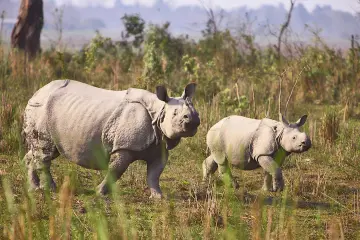
Explore how India is managing human-wildlife conflict through traditional practices, modern technology, and community-based conservation. Learn from real case studies including leopards in Bera, tigers in Ranthambore, cranes in Khichan, and elephants in Assam.
Introduction: The Thin Line Between Conflict and Coexistence
In India, where megafauna such as tigers, elephants, and leopards share space with dense human populations, conflict is often just a field, fence, or footpath away. Human-wildlife conflict (HWC) is one of the biggest challenges in wildlife conservation today.
Recent tiger attacks on villagers near Ranthambore Tiger Reserve in Rajasthan have reignited debates on the balance between conservation success and human safety. India’s rising tiger numbers, a proud achievement, come with the complexity of managing animals that roam beyond protected boundaries into farmlands, villages, and towns.
Yet, the story is not all about clashes. Across India, from the granite hills of Rajasthan to the wetlands of Uttar Pradesh and the tea estates of Tamil Nadu, people and animals have crafted unique ways of coexistence.
What is Human-Wildlife Conflict?
Human-wildlife conflict occurs when animals pose a threat to human life, livestock, crops, or property or when human activities harm wildlife. It often results in economic loss, injury, or fatalities on both sides. In many cases, retaliatory killings escalate the situation, threatening the survival of endangered species.

These conflicts can range from:
- Crop raiding by elephants, wild boars, nilgai, and monkeys.
- Livestock predation by tigers, leopards, and other big carnivores.
- Human injury or death caused by carnivore or elephant attacks.
- Retaliatory killings of wild animals by affected communities.
Why Are Some Places More Conflict-Prone Than Others?
Some regions face more intense conflict due to a combination of ecological, socio-economic, and developmental factors, such as:
Proximity to Protected Areas
Villages close to reserves like Kanha, Corbett, and Kaziranga are frequently visited by wildlife that disperses beyond park boundaries in search of food or space.
Fragmented Forests
States like Jharkhand, West Bengal, and Chhattisgarh have heavily fragmented forests that provide temporary cover but not long-term habitats—pushing wildlife into human settlements.
Rich Agriculture
High-yield croplands attract herbivores like wild pigs, elephants, and nilgai, especially near forest edges.
Livestock Grazing Near Forests
Unregulated grazing often invites predation by big cats like leopards and tigers, especially in buffer zones.
Climate and Water Stress
Dry seasons force animals to seek water in human areas, such as tanks, ponds, and irrigation channels.
Unplanned Development
Roads, railways, and mining near or through forests increase direct interactions and animal deaths.
Major Causes of Human-Wildlife Conflict in India
Habitat Loss and Fragmentation
- India’s forested landscapes are being dissected by roads, canals, and settlements.
- Animals like elephants and leopards are highly mobile and require large home ranges; when habitats shrink, they venture into human spaces.
Expansion of Agriculture and Infrastructure
- Agricultural expansion into forest fringes is one of the primary drivers of conflict.
- Cash crops such as sugarcane, banana, and maize attract herbivores.
- Urban sprawl, railway lines, and highways fragment wildlife corridors and migration routes.
Decline in Natural Prey
- In many tiger landscapes, overhunting or competition from livestock reduces wild prey like deer and antelope.
- Carnivores such as tigers and leopards then turn to easier prey—like cattle, goats, and dogs.
Seasonal Scarcity of Food and Water
- During dry months, waterholes in forests dry up. Animals like elephants and bears venture into villages to drink from irrigation tanks or eat ripened crops.
- In hilly terrain, monkeys and wild pigs raid orchards during fruiting seasons.
Climate Change and Weather Extremes
- Erratic rainfall, prolonged droughts, or sudden floods can destroy natural food sources or displace animals, pushing them closer to human habitations.
- Snow leopards in Ladakh, for instance, descend to lower elevations in harsh winters, where they may prey on livestock.
Livestock Grazing and Poor Waste Management
- Grazing within forests invites predators.
- Poor waste management in urban and semi-urban areas (e.g., open garbage dumps) attracts omnivores like sloth bears and leopards.
Cultural Disrespect and Misunderstanding
- In some areas, fear and misinformation lead to mob attacks on wildlife or forest staff.
- Social media misinformation can also lead to panic and unnecessary interventions.
Conservation Implications
Human-wildlife conflict has far-reaching consequences:
- Wildlife is increasingly viewed as a threat, not a shared heritage.
- Community resentment toward protected areas and forest officials rises.
- Retaliatory killing and poisoning can impact entire populations of key species.
- It weakens India’s long-term biodiversity conservation goals.
Major Conflict Zones in India
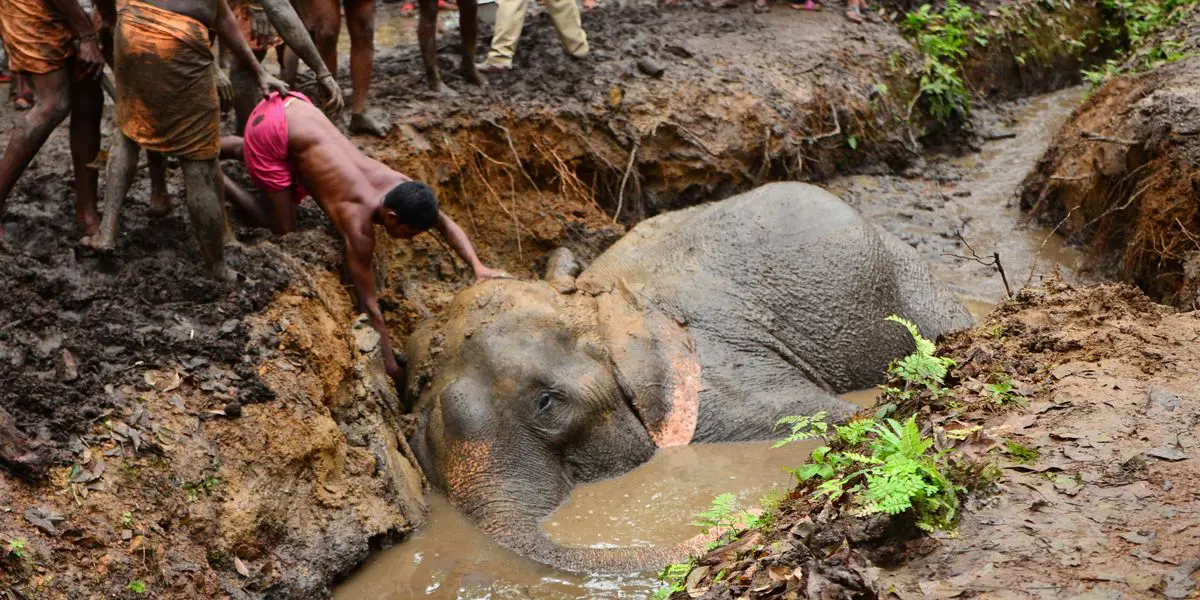
Northeast and Eastern India – Elephant Conflict Hotspots
- Assam, West Bengal, Odisha, and Chhattisgarh report large-scale crop destruction, house damage, and human fatalities due to elephants.
- Elephant migratory routes crisscross tea gardens, paddy fields, and riverine villages.
- Man-elephant conflict is especially severe in Goalpara, Udalguri, and Jalpaiguri districts.
Chandrapur District, Maharashtra – Tiger Conflict
- Chandrapur has one of the highest human fatalities from tiger attacks.
- Expansion of agriculture into forest fringes and degraded buffer zones has increased predator-prey overlap.
- Coal mining and industry have further compressed tiger habitats.
Uttarakhand & Himachal Pradesh – Leopard Encounters
- In hill towns and villages, leopards often prey on dogs and goats.
- Encounters with children and elderly people have led to fatal incidents, especially in Pauri Garhwal, Almora, and Shimla districts.
- Urban leopards are now common in Dehradun and Nainital suburbs.
Ladakh & Other High-Altitude Areas – Snow Leopard Conflict
- Snow leopards prey on yak, sheep, and goats, leading to economic losses for local communities.
- Harsh winters and dwindling wild prey intensify the issue.
- Spiti, Kargil, Leh, and parts of Arunachal Pradesh are key zones of conflict.
Strategies for Mitigation and Conflict Management
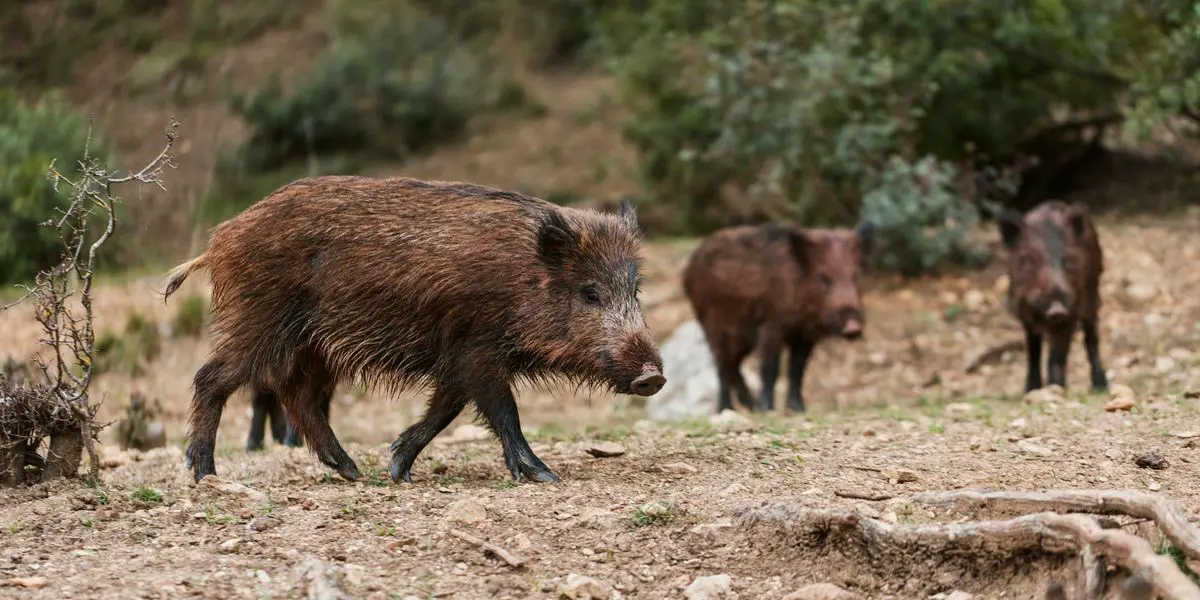
Physical and Biological Barriers
- Solar-powered fencing and elephant-proof trenches
- Chili-tobacco ropes, beehive fences, and bio-fencing with cactus or agave
- Tethering livestock in predator-proof sheds
Rapid Compensation and Insurance
- Compensation for crop loss, livestock, or human injury must be swift, fair, and accessible.
- Some states like Madhya Pradesh and Kerala are adopting mobile-based claim systems for ease of access.
Technology-Driven Alerts
- Real-time alerts via SMS or sirens in tea estates (Valparai model)
- Camera traps, GPS-collared elephants or leopards
- Drones for early detection and monitoring
Community Awareness and Participation
- Training of “Wildlife Mitras” volunteer villagers who alert and assist in mitigating conflict.
- School awareness programs and community education.
Integrated Land-Use Planning
- Ensuring that development avoids vital corridors and buffer zones.
- Promoting habitat connectivity and wildlife overpasses.
Case Studies of Coexistence and Innovative Conservation
Bera, Rajasthan – Leopards and Rabaris
In the granite hills of Bera, leopards share space with Rabari pastoralists. With minimal livestock predation and strong cultural respect, leopards roam freely without conflict.
- Leopards are seen as protectors by the locals.
- Eco-tourism offers income, reinforcing coexistence.
Sarus Cranes and Paddy Farmers, Western UP
In wet rice fields, Sarus cranes build nests just meters away from farmers. Though they may cause crop trampling, most farmers actively protect these graceful birds.
- The crane is a cultural symbol of fidelity.
- Community programs by the International Crane Foundation support local conservation.
Demoiselle Cranes of Khichan, Rajasthan
Each winter, over 20,000 cranes are fed by villagers in Khichan.
- Started by one family, now a community-wide conservation tradition.
- The village earns significant revenue through eco-tourism, without formal protection laws.
Elephants in Valparai, Tamil Nadu
Valparai tea estates are known for frequent elephant movement. A technologically equipped early warning system has been a game-changer.
- Managed by Nature Conservation Foundation
- LED alert boards, mobile messages, and trained response teams have reduced deaths.
Gir, Gujarat – Lions and Maldharis
Maldhari communities live inside lion territory in Gir.
- Lions are rarely attacked by people, despite occasional livestock loss.
- Maldharis considers lions part of their landscape and receives prompt compensation.
Bishnoi Community and the Blackbuck, Rajasthan
The Bishnois of western Rajasthan are perhaps India’s most passionate wildlife protectors. For them, blackbucks are not just animals, they are kin.
- Bishnois have fought poachers and sheltered injured blackbucks.
- Their religious and cultural ethos demand the preservation of all life
Conclusion: Conflict or Coexistence—We Must Choose
As India marches forward in development, human-wildlife conflict will remain a reality. However, as we’ve seen in Bera, Khichan, Valparai, and among the Bishnois, conflict can be transformed into coexistence when conservation aligns with community values and local ecology.
The Path Ahead:
- Strengthen conflict response infrastructure
- Integrate traditional knowledge with science
- Create incentives for tolerance and conservation
- Rethink infrastructure planning in ecologically sensitive zones
By recognizing that we are not separate from nature—but part of it—India can lead the world in innovative, inclusive conservation.
Call to Action:
Support community-led conservation. Visit responsibly. Educate others. Share stories that inspire coexistence.