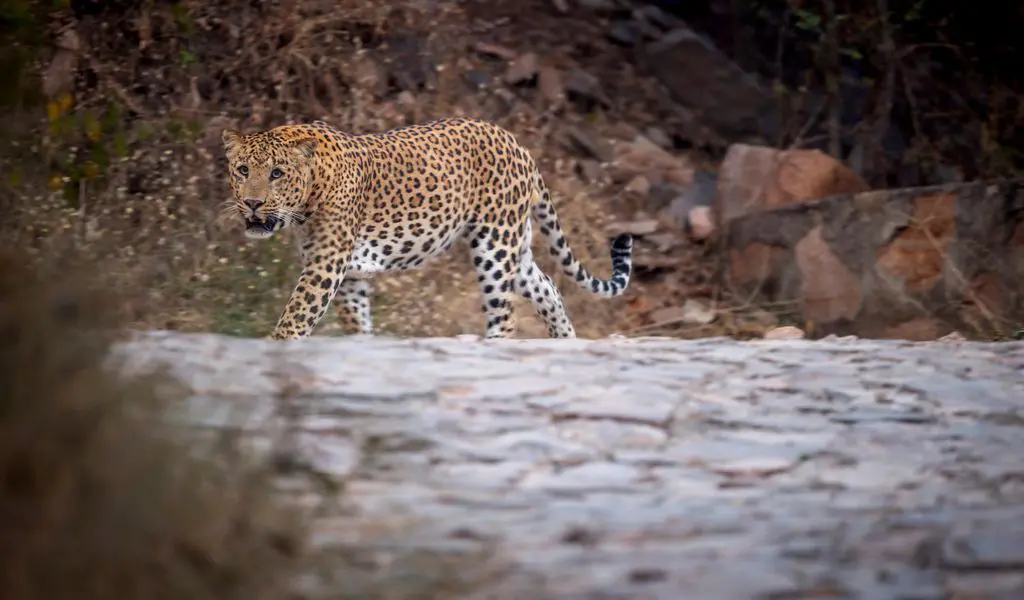
Nestled in the rugged Aravalli hills of Rajasthan, Bera is one of India’s best-kept wildlife secrets. Unlike the dense jungles of Madhya Pradesh or the mangroves of Sundarbans, Bera offers a unique landscape—granite outcrops, scrub forests, and dry riverbeds—making it an exceptional habitat for one of India’s most elusive predators, the Indian leopard (Panthera pardus fusca). Unlike many tiger reserves where sighting a big cat can be unpredictable, Bera offers one of the best chances to witness leopards in the wild, often lounging on rocky cliffs or stealthily moving across the terrain.
This blog will take you through what to expect on a leopard safari in Bera, the best time to visit, and tips to make the most of your experience in this extraordinary wilderness. Whether you’re a wildlife enthusiast, a photographer, or simply someone looking to explore a different side of India’s wildlife, Bera promises an unforgettable adventure.
The Geology of Bera
The geology of Bera is as fascinating as its wildlife. The region is dominated by granite formations, which date back nearly 850 million years, making them among the oldest rock structures in India. These ancient rocks were formed due to the intrusion of molten magma into the Earth’s crust, which gradually cooled and solidified over millions of years. Over time, weathering and erosion sculpted these granite hills into the smooth, dome-like outcrops that define Bera’s rugged landscape today.
The unique cracks and crevices within these rock formations create natural caves and shelters, making them an ideal habitat for leopards. These geological features, combined with the arid scrubland and the Jawai River basin, form a striking ecosystem where prehistoric landscapes and modern wildlife encounters merge, offering visitors an experience unlike any other in India.

The Co-existence
What makes a leopard safari in Bera truly special is the high density of these big cats and their remarkable coexistence with local communities. Though livestock constitutes 80% of the leopards’ diet, there is no conflict between humans and leopards. From the known recorded history of more than 100 years, there has not been a single human death reported from the region due to leopard attacks. This extraordinary harmony between people and predators makes Bera a unique example of peaceful human-wildlife coexistence.
The Threat
Despite its reputation as a leopard haven, Bera’s wildlife specially faces several threats, with granite mining being the most pressing issue. The region’s unique rock formations, which provide natural shelters for leopards and other wildlife, are being steadily quarried to meet the demand for construction material. The destruction of these rocky outcrops disrupts leopard dens, forcing them into fragmented habitats and increasing the risk of human-wildlife encounters. Additionally, habitat degradation due to expanding agriculture, unregulated tourism, and infrastructure development is putting pressure on the delicate balance between humans and wildlife.
Another growing concern is the mushrooming of large, fancy lodges and big hotels in the region. While tourism plays a crucial role in conservation awareness, the unchecked rise of these commercial establishments is leading to habitat destruction, increased human activity, and disturbance to wildlife. The presence of too many tourists, loud noises, and artificial lighting can disrupt leopard movement patterns, sometimes even forcing these elusive cats to abandon their territories.
The Jawai River, a vital water source for the ecosystem, is also threatened by pollution and encroachment. If these challenges are not addressed through conservation efforts and sustainable tourism practices, Bera’s remarkable story of leopard-human coexistence could be at risk, endangering not just the big cats but the entire ecosystem that thrives in this unique landscape.
The Experience of Leopard Safari in Bera
A leopard safari in Bera is unlike any other wildlife safari in India. While most tiger reserves and national parks follow strict regulations with fixed safari timings, Bera’s unique landscape, lacking official conservation status, allows for more flexibility. Though safaris are typically conducted twice a day, visitors have the freedom to explore for extended hours, making it a thrilling and immersive experience.
The adventure begins early in the morning as local trackers set out in search of leopards. These expert trackers rely on past sightings and fresh pugmarks to determine where the elusive cats might be hiding. Once a leopard is spotted on a leopard safari in Bera, other safari jeeps are alerted, and they all gather at the location, waiting patiently for a glimpse of the magnificent predator.
However, due to Bera’s rocky and rugged terrain, most sightings occur from a distance, ensuring that the animals are not overly disturbed. The landscape, dotted with granite outcrops, caves, and crevices, provides leopards ample cover, allowing them to move undetected when they choose.
One of the most exhilarating aspects of the safari is the off-road adventure through the Aravalli hills. The expert Gypsy drivers, well-versed in navigating steep, rocky paths, skillfully maneuver through the rugged terrain, making the ride itself an adrenaline-pumping experience.
Unlike the dense forests of other reserves, spotting a leopard here—perched on a rocky cliff or blending seamlessly into the landscape—is an experience unmatched anywhere else. The sheer thrill of tracking and sighting these elusive cats in such a dramatic setting makes a leopard safari in Bera an unforgettable adventure.
The Jawai Dam
The Jawai Dam, built on the Jawai River, a tributary of the Luni River, is the largest dam in western Rajasthan and serves as a vital water source for both wildlife and human settlements. Over time, it has transformed into a thriving biodiversity hotspot, sustaining leopards, hyenas, jackals, and a remarkable diversity of birds.
Recognizing its ecological importance, the Jawai Bandh Conservation Reserve (19.79 sq km) was declared in 2013 to provide some level of protection to the habitat, ensuring the long-term survival of its wildlife. The dam’s wetlands, reed beds, and open waters attract thousands of residents and migratory birds, making it a paradise for birdwatchers.
Jawai is home to an impressive variety of avian species, including flamingos, pelicans, bar-headed geese, ruddy shelducks, Eurasian wigeons, pintails, and various species of storks such as painted, black, and openbill storks. It is also an excellent place to spot cranes like Sarus and Demoiselle, along with raptors such as osprey, Bonelli’s eagle, steppe eagle, greater spotted eagle, and marsh harrier.
The wetlands support herons, egrets, ibises, spoonbills, and a variety of kingfishers, creating a spectacular setting for birding enthusiasts. Apart from birds, the dam’s waters are home to a significant population of Mugger crocodiles, which can often be seen basking along the rocky shores. Despite their presence, much like the leopards, the crocodiles coexist peacefully with the local communities, adding to the region’s unique wildlife-human harmony.
Conclusion
A leopard safari in Bera is a truly unique experience, offering a rare glimpse into the world of these elusive big cats in a landscape unlike any other in India. The rugged granite hills, the tranquil Jawai Dam, and the rich biodiversity make this region a hidden gem for wildlife enthusiasts. What sets Bera apart is not just the high density of leopards but also the remarkable coexistence between humans and wildlife, a relationship that has remained peaceful for over a century.
However, growing threats like granite mining, unregulated tourism, and habitat destruction pose significant challenges to this fragile ecosystem. Sustainable conservation efforts, responsible tourism, and stricter regulations are essential to preserve Bera’s unique wildlife and its harmonious balance with the local communities. For those seeking an offbeat safari experience, where adventure meets breathtaking landscapes and extraordinary wildlife, Bera is a destination that promises thrill, awe, and a deep connection with nature.