India’s wilderness is more than a tangle of trees and a flurry of feathers. It is an epic unfolding over millennia story of tooth and claw, prayer and protection, tragedy and triumph. With its vast forests, sacred rivers, and vibrant biodiversity, India not only preserves nature, but it also produces legends. Some of these legends have gone on to break world records, making India a global beacon in conservation, ecological richness, and natural history.
This blog celebrates those places and beings India’s wildlife and forests that have entered the record books of the world, either for their grandeur, their longevity, or the remarkable stories they carry.
The Kingdom of Tigers: India’s Global Crown
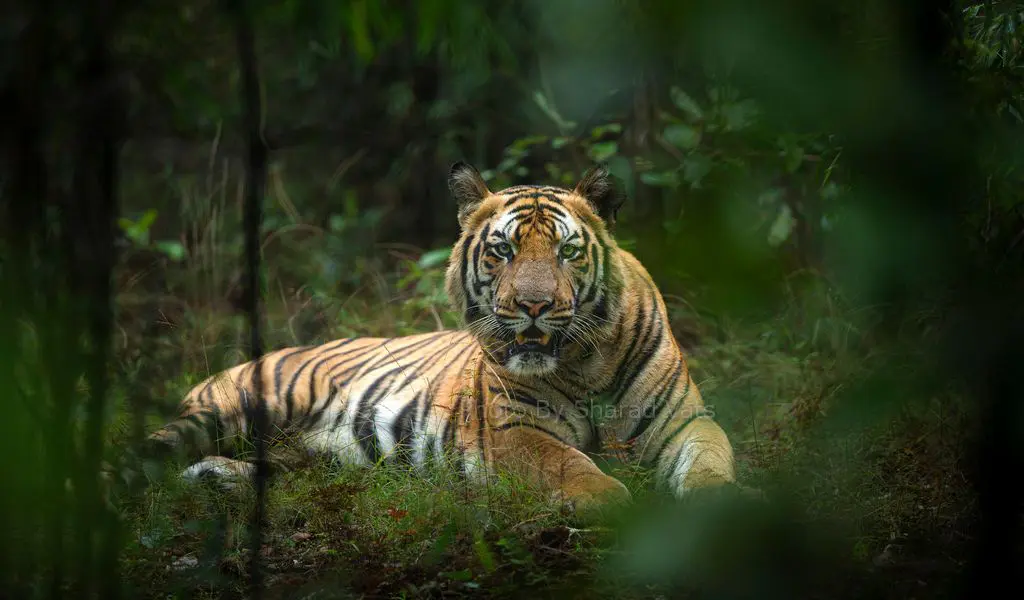
There is no species more synonymous with Indian wildlife than the Bengal tiger. Regal, elusive, and breathtaking, this apex predator reigns across a range of landscapes from the mangrove swamps of Sundarbans to the teak forests of Central India and from the high-altitude forests of Himalayas to the humid tropical evergreen forests of Western ghats.
India holds the world’s largest population of wild tigers, numbering over 3,682 individuals as per the 2022 “All India Tiger Estimation.” That figure represents more than 75% of the global tiger population. This achievement is the outcome of relentless conservation efforts like Project Tiger (launched in 1973), establishment of protected areas, and community-based monitoring.
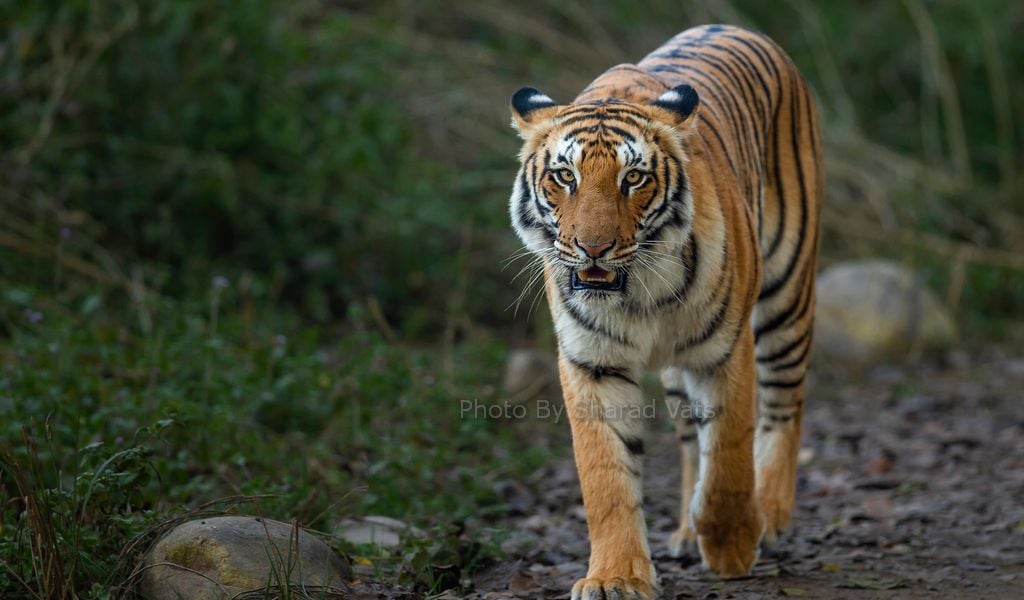
These majestic cats now thrive in 58 tiger reserves, including global icons like Bandhavgarh, Kanha, Ranthambhore, Pench, Nagarhole, and Corbett. No other country in the world protects so many tigers in the wild, a record not of numbers alone, but of a nation’s will to save its soul.
A Survey that Shaped Science: World’s Largest Camera Trap Wildlife Study
In 2018, India etched its name in the Guinness World Records for conducting the largest camera trap-based wildlife survey in history. The All-India Tiger Estimation 2018 was not just about counting tigers, it was a colossal data-driven mission to understand predator-prey dynamics, habitat quality, and human interface zones.
Over 121,337 sq km of forest across 20 Indian states was surveyed. More than 26,000 locations camera traps were deployed, producing over 34 million photographs, including 76,651 images of tigers and countless other species. The effort involved over 44,000 personnel, including scientists, forest guards, and volunteers.
This landmark study set new benchmarks in large-scale wildlife monitoring and was recognized globally for its transparency, scalability, and scientific rigor. It wasn’t just a tiger census it was a triumph of citizen science and conservation governance.
Give your thoughts on Madhya Pradesh: A Wildlife Heaven of India
The Living Labyrinth: Sundarbans – World’s Largest Mangrove Forest
In the low-lying delta of West Bengal, where the Ganges, Brahmaputra, and Meghna rivers meet the Bay of Bengal, lies a green maze shaped by tides the Sundarbans, the world’s largest contiguous mangrove forest. About 4,200 sq km of this forest falls within Indian territory.
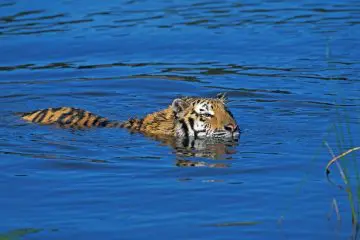
This is the only mangrove ecosystem in the world that shelters a population of wild tigers, known for their swimming prowess and unique adaptations. These “mangrove tigers” move silently through brackish channels, hunt fish and crabs, and have adapted to the challenges of a tide-driven habitat.
The Sundarbans also host fishing cats, estuarine crocodiles, water monitor lizards, mudskippers, and over 270 bird species. A recognized UNESCO World Heritage Site, the Sundarbans stand as a testament to the resilience of nature and a record-setting model of estuarine biodiversity.

Giants of the Jungle: Largest Population of Wild Asian Elephants
While the tiger rules with stealth, the elephant commands by presence. India holds the world’s largest population of wild Asian elephants, estimated at 29,964 individuals (Elephant Census 2017). They roam across 13 elephant ranges from Assam to Tamil Nadu, from Jharkhand to the Western Ghats, playing a critical role in seed dispersal, forest ecology, and culture.
Nowhere is their congregation more dramatic than in Kabini, in Karnataka’s Nagarhole landscape. During the dry summer months, hundreds of elephants gather at the backwaters of the Kabini River, forming what is considered Asia’s largest wild elephant congregation. It’s a gentle giant’s carnival, social bonding, mating rituals, and matriarch-led herds dominate the scene, drawing wildlife photographers from around the world.
India’s reverence for elephants visible in religion, festivals, and folklore is matched by its responsibility to protect them. The scale of wild elephant preservation here remains unmatched globally.

A Timeless Ritual: Olive Ridley Turtles of Gahirmatha
On the shores of Gahirmatha Beach in Odisha, one of nature’s most ancient rituals plays out under the moonlight each year. In a phenomenon known as arribada, hundreds of thousands of Olive Ridley Sea turtles emerge from the sea to nest en masse.
This beach is recognized as the world’s largest nesting site for Olive Ridley turtles. At the peak of the season, more than 600,000 turtles may arrive, with the entire nesting period spanning weeks of moonlit magic.
Later, as hatchlings scramble across the sand toward the ocean, the beach transforms into a cradle of hope. Gahirmatha’s success is a testament to marine conservation in India balancing protection with fishing practices, patrolling, and community involvement.
The Armored Giants of Kaziranga
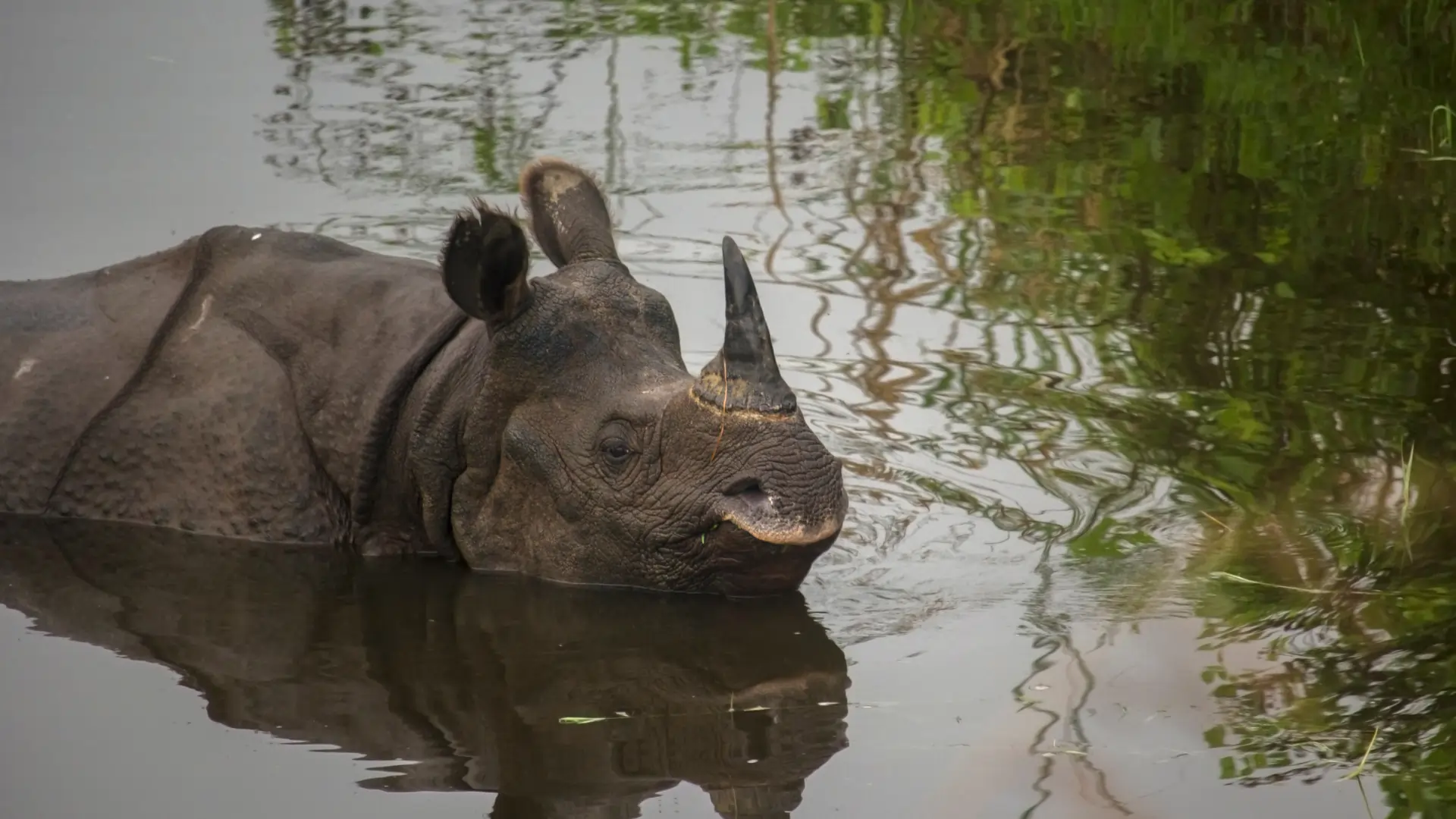
With their prehistoric appearance and solitary dignity, Indian one-horned rhinoceroses were once on the verge of extinction. Today, thanks to protection and habitat management, India has over 4,000 rhinos, the largest population of this species in the world.
Kaziranga National Park in Assam alone harbors more than 2,600 individuals, making it the planet’s most important stronghold for this species. What was once a story of poaching and decline has become one of India’s finest conservation turnarounds. Kaziranga is now synonymous with rhinos, grassland health, and fierce anti-poaching vigilance.
Machhli: The Queen of Queens
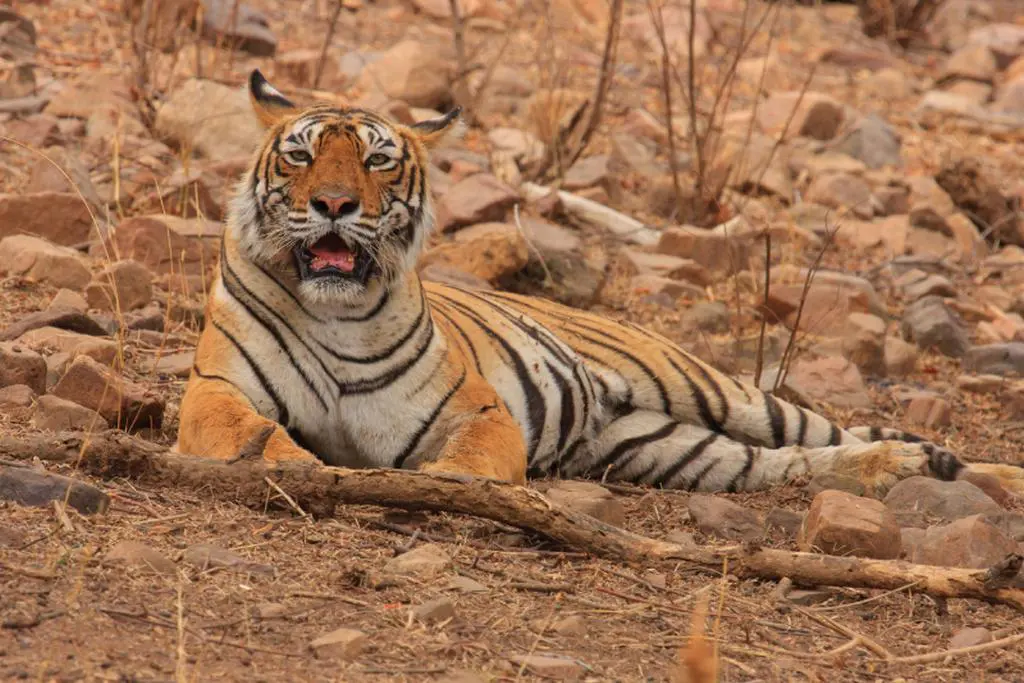
If there were an award for the most celebrated tiger in history, it would go to Machhli, the iconic tigress of Ranthambhore National Park. She wasn’t just a tigress; she was a phenomenon. Living until the age of nearly 20 years, Machhli was the longest-living wild tigress ever recorded and also holds the unofficial title of the most photographed tiger in the world.
Her territory encompassed the picturesque lakes and ruins of Ranthambhore, adding to her aura. She famously killed a 12-foot-long mugger crocodile, raised multiple litters, and contributed significantly to the park’s tiger population. At the time of her death in 2016, Machhli had brought in millions in tourism revenue and had become a global symbol of tiger conservation.
Vatsala: The Matriarch of Panna
On July 7, 2025, India bid farewell to a living legend. Vatsala, an elephant of Panna Tiger Reserve, passed away, marking the end of a life believed to have spanned more than 100 years making her arguably Asia’s longest-living elephant.
Her story is deeply interwoven with the history of forest management in Panna. Once part of the forest department’s elephant patrol team, she helped in protection and monitoring for decades before retiring to a peaceful life within the reserve. Vatsala was more than a record—she was a symbol of wisdom, resilience, and gentle authority.
In her twilight years, she was lovingly cared for by forest staff. Her passing marks the end of an era but also immortalizes her in the heart of Indian conservation.
The Giant from the Terai: The Largest Tiger Ever Recorded
In 1967, a tiger in India made the record books for sheer size. This massive Bengal tiger, shot near Nagina in Uttar Pradesh, remains the largest tiger ever officially recorded.
Measured at 3.37 meters (11 feet 1 inch) between pegs and weighing over 388 kg (857 pounds), the tiger’s size rivaled that of Siberian tigers and possibly exceeded them in weight. Though this animal was killed during an era before widespread tiger protection, its size remains a biological marvel and an example of the apex potential of Panthera tigris.
The Blood Trail of Champawat
Not all records are celebratory. The Champawat Tigress, active in Nepal and India in the late 1800s, is known as the deadliest man-eating tiger in history. She is believed to have killed 436 people before being tracked and killed by Jim Corbett in 1907.
Her reign of terror forced entire villages to evacuate. Examination later revealed broken canines, possibly making her turn to humans as easier prey. The event changed Corbett forever—he transitioned from a hunter to one of India’s earliest wildlife conservationists, eventually advocating for the protection of the very species he once pursued.
The Supermom of Pench: Collarwali
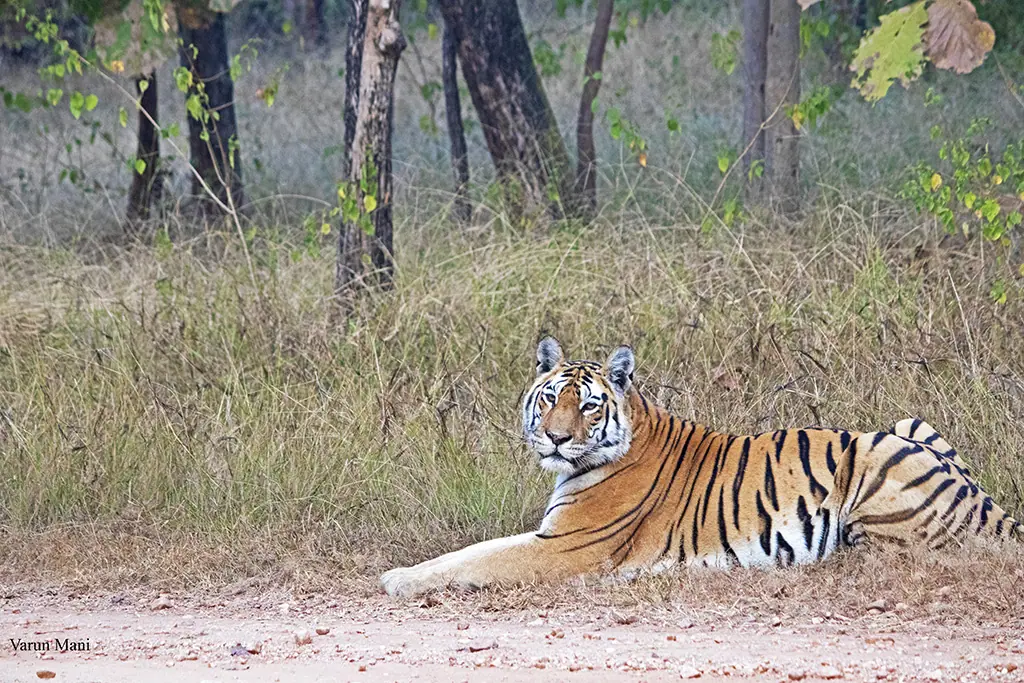
In the forests of Pench Tiger Reserve, a tigress earned herself the nickname “Supermom.” Known as Collarwali (T15), she gave birth to a record 29 cubs over her 16.5-year life—more than any other documented wild tigress.
Collarwali was calm, confident, and remarkably visible—rare for a wild tiger. Many of her cubs went on to establish territories in Pench and beyond, directly influencing the reserve’s population boom. Her presence was a delight to tourists and researchers alike.
When she died in early 2022, she left behind a lineage, a legacy, and a story that inspired millions.
Also visit: Top 10 legendary tigers of India
Closing Thoughts: A Wild Legacy in Records
India’s forests are more than carbon sinks or biodiversity zones—they are living museums of evolutionary triumphs, ecological wisdom, and natural drama. The animals that inhabit these landscapes are not just survivors, they are record-breakers, storytellers, and standard-setters for the world.
These records of longevity, population, spectacle, and even conflict—remind us of both our duty and our privilege. In a world where wild spaces are shrinking, India continues to be a land where nature still dares to dream big.