India is home to the iconic Bengal tiger, and few experiences compare to the thrill of seeing this magnificent predator in the wild. Planning a tiger safari in India in 2026 is more than a holiday—it is an opportunity to reconnect with nature, immerse yourself in untamed beauty, and witness unforgettable wildlife moments. From the dense forests of Madhya Pradesh to the Himalayan foothills, these wildlife destinations promise incredible tiger sightings along with landscapes that stir the soul.
Top Wildlife Destinations for Tiger Safari in India
Kanha National Park
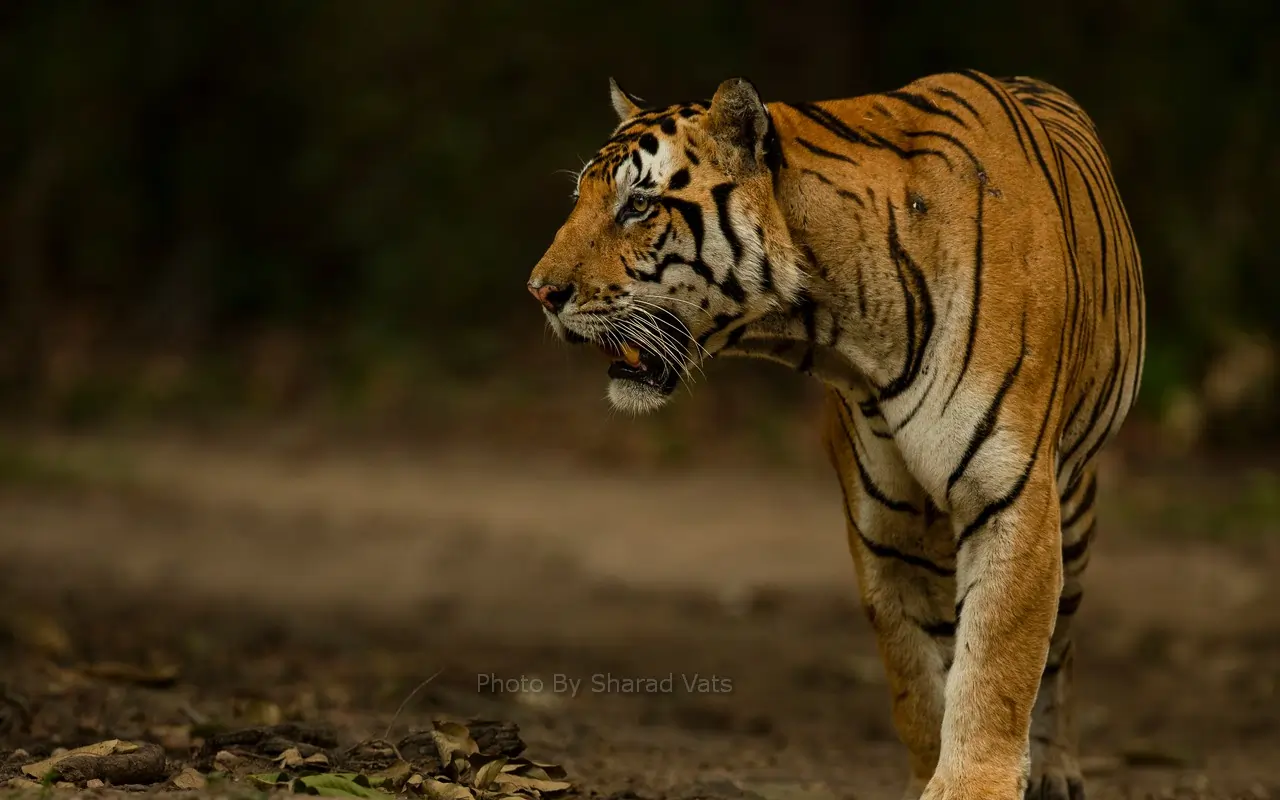
Known as one of the most scenic reserves, vast meadows, lush sal forests, and winding streams create the perfect stage for spotting tigers in their natural glory. Kanha is renowned for its consistent tiger sightings, which makes it a dream destination for photographers hoping to capture the tiger against breathtaking backdrops.
Beyond the thrill of spotting the big cat, visitors often describe Kanha as a place that touches the heart—where every sunrise feels magical and every call of the wild makes you pause in awe. It is a park that celebrates both beauty and biodiversity, leaving travellers with lasting memories of the wilderness.

Corbett National Park
As India’s first national park, Corbett carries a charm that blends history with adventure. Spread across a landscape of grasslands, riverbeds, and dense forests, it offers some of the most diverse safari experiences in India. If you are visiting the Corbett National Park in 2026, then you might get lucky and witness tigress with cubs as in 2025 many tigress have given birth, which give travellers a rare chance to observe playful moments of these magnificent animals.
Apart from tigers, large herds of elephants roam the park, adding to its grandeur. Every safari in Corbett feels like a journey back in time, where the legacy of Jim Corbett still echoes through the jungle. For many, it is more than a wildlife destination—it is a soulful escape into a land where every rustle of leaves whispers a new story.
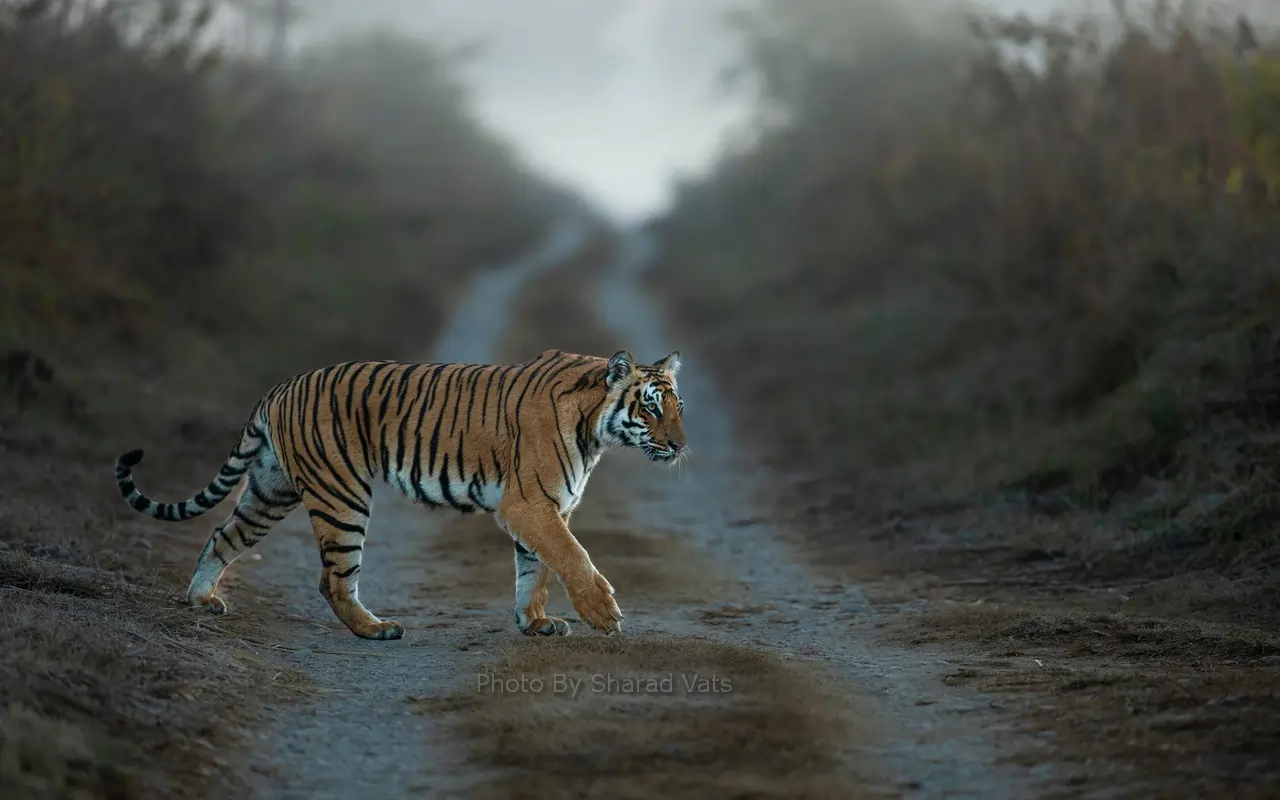
Pench National Park
Pench National Park has steadily gained recognition as a rising star among India’s safari destinations. Its vast forests, dotted with teak and bamboo, are known for frequent tiger movements and an increasing population of the big cats. With well-managed safari operations, Pench ensures travellers not only enjoy reliable sightings but also experience the park’s serene landscapes.
The park is also celebrated for its connection to Kipling’s The Jungle Book, making every safari feel like stepping into a childhood story. Visitors often speak of Pench as a park that combines adventure with peace—where the thrill of spotting a tiger is balanced by the calm beauty of rivers, hills, and untouched wilderness. It is the perfect destination for those seeking a blend of excitement and tranquillity in their safari journey.

Bandhavgarh National Park
With one of the highest densities of tigers in India, Bandhavgarh National Park is often described as the place with best chances to witness tiger cubs in the wild with their mother. Every safari here feels promising, and many travellers return with stories of unforgettable tiger encounters. Yet, Bandhavgarh is not just about wildlife—it is steeped in history. Ancient ruins, a towering fort, and Buddhist caves hidden within the forest lend the park a mystical atmosphere.
Exploring Bandhavgarh is like travelling through time, where each corner tells a story of both nature and heritage. For many, this mix of frequent tiger sightings and historical charm makes it one of the most memorable wildlife destinations in India. It is a place where the past and present of the jungle live in harmony.
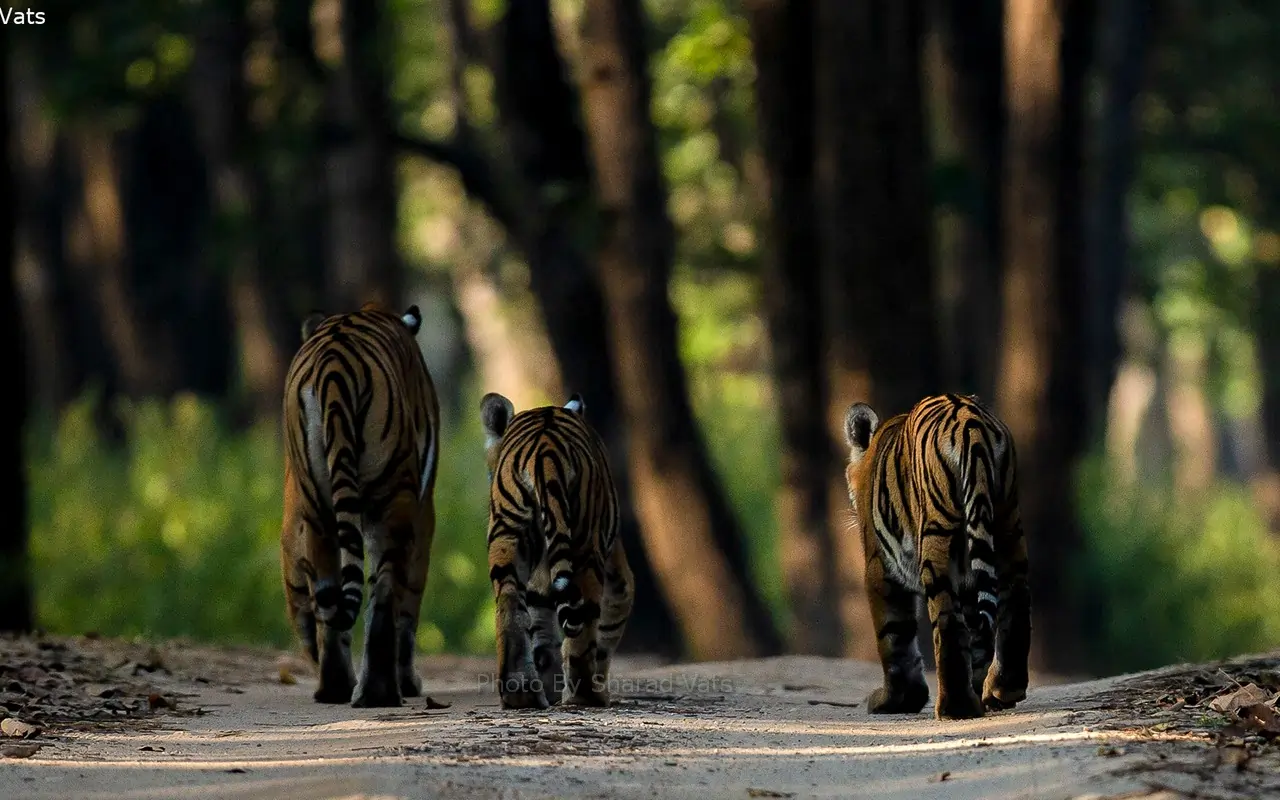
Satpura National Park
For those seeking a safari experience unlike any other, Satpura National Park is the answer. Known for its rich biodiversity, Satpura offers excellent sightings of both tigers and sloth bears. But what sets it apart are its unique safari options—you can explore its forests by jeep, on foot, by canoe, or even on a night safari under starlit skies. This immersive approach allows travellers to truly feel the wilderness, connecting deeply with every element of the forest.
Satpura is less crowded compared to other parks, giving it a sense of intimacy and calm that wildlife lovers cherish. It is a destination that stirs emotions, reminding us that safaris are not just about sightings but about embracing the quiet magic of the natural world.
Attractive Wildlife in Indian National Parks – Other Than Bengal Tiger
One-Horned Rhino
The Greater One-Horned Rhinoceros, with its signature single horn and thick, armour-like skin, is one of India’s most iconic animals. Found mainly in Kaziranga National Park, Assam, it thrives in floodplains and tall grasslands. Once on the brink of extinction due to poaching, strong conservation efforts have revived its numbers. Still listed as Vulnerable by the IUCN, this majestic species remains a conservation priority. A sighting of a rhino grazing peacefully in the grasslands of Kaziranga is one of the most awe-inspiring experiences for wildlife enthusiasts in India.

Sloth Bear
The shaggy-coated Sloth Bear, with its long claws and white chest patch, is an endearing yet powerful species found across India’s forests. They are often spotted in Satpura National Park (Madhya Pradesh) and Daroji Sloth Bear Sanctuary (Karnataka). Known for their nocturnal habits, sloth bears feed primarily on termites and honey. Though widespread, they face threats from habitat loss and human-wildlife conflict, and are classified as Vulnerable. Watching one lumber across a forest trail reminds us of India’s remarkable biodiversity beyond just the big cats.

Asian Elephants
The gentle giants of India’s jungles, Asian Elephants are highly intelligent, social animals known for their strong family bonds. They are found in several parks, including Periyar National Park (Kerala), Corbett National Park (Uttarakhand), and Kaziranga National Park (Assam). Sadly, their populations are declining due to shrinking habitats and conflicts with humans, earning them a Endangered status. Seeing a herd of elephants gracefully moving through the forest is a deeply moving experience, reflecting the sheer power and sensitivity of one of the world’s most magnificent animals.

Snow Leopard
Often called the “ghost of the mountains,” the Snow Leopard is one of India’s most elusive predators. With its thick, smoky-grey coat and long tail, it is perfectly adapted to the harsh terrain of the Hemis National Park (Ladakh) and Spiti Valley (Himachal Pradesh). Classified as Vulnerable, snow leopards face threats from climate change and habitat degradation. Spotting one is considered a once-in-a-lifetime event, as they blend seamlessly into rocky cliffs and snowy landscapes. For many, even the search for this shy big cat is an adventure in itself.

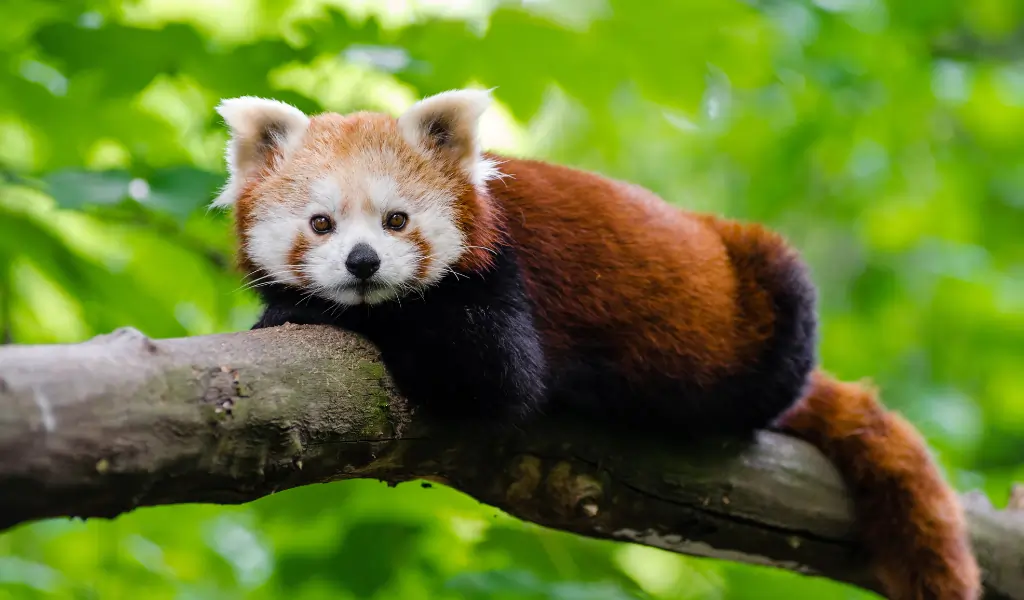
Red Panda
The charming Red Panda, with its reddish-brown fur and playful nature, is one of the rarest mammals in India. It inhabits the cool temperate forests of the Eastern Himalayas, most notably Singalila National Park (West Bengal) and Khangchendzonga National Park (Sikkim). Sadly, this arboreal species is listed as Endangered, facing threats from deforestation and habitat fragmentation. Watching a red panda gracefully climb branches or nibble on bamboo leaves is a delightful reminder of the diversity and fragility of India’s high-altitude ecosystems.
Asiatic Lion
The Asiatic Lion, slightly smaller than its African cousin, survives only in the wilds of Gir National Park (Gujarat). With a majestic mane and powerful build, it symbolises strength and resilience. Once on the brink of extinction, strict conservation measures have helped revive their population, though the species remains Endangered due to its limited range. Spotting a pride of lions in Gir is a rare and unforgettable moment, showcasing a species that represents both India’s natural heritage and its conservation triumphs.

Hoolock Gibbon
India’s only ape, the Hoolock Gibbon, is known for its melodious calls and graceful swinging through treetops. These arboreal primates are found in the forests of Assam and Arunachal Pradesh, particularly in Hoollongapar Gibbon Sanctuary (Assam). With their slender bodies, long arms, and expressive faces, they are a fascinating species to observe. Sadly, they are classified as Vulnerable due to deforestation and habitat loss. Encountering a hoolock gibbon in the wild is a humbling experience, offering a glimpse into the vibrant yet fragile ecosystem of India’s Northeast.

Black Leopard (Black Panther)
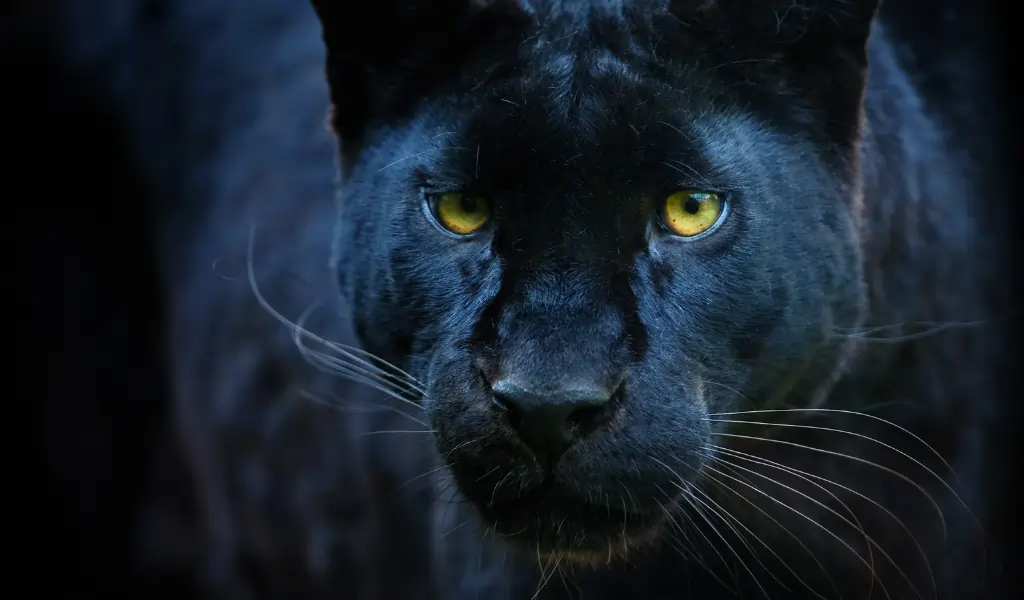
The mysterious Black Leopard, also called the Black Panther, is a rare melanistic form of the leopard. With its glossy black coat and piercing golden eyes, it is one of the most striking animals found in the wild. They are occasionally sighted in Kabini (Karnataka), Nagarhole National Park (Karnataka), and Goa’s forests. Though leopards are adaptable, habitat loss and conflict with humans threaten their survival, keeping them classified as Vulnerable. Spotting a black panther is a dream for many wildlife lovers, as it feels like witnessing a shadow slip through the forest.
Final Thoughts
A tiger safari in India is a journey that stirs excitement, awe, and gratitude all at once. Whether it’s the open meadows of Kanha, the tiger cubs of Corbett, the heritage of Bandhavgarh, or the immersive safaris of Satpura, each destination offers something truly special. In 2026, these wildlife destinations promise more than just tiger sightings—they promise moments that touch the heart and memories that last a lifetime.